
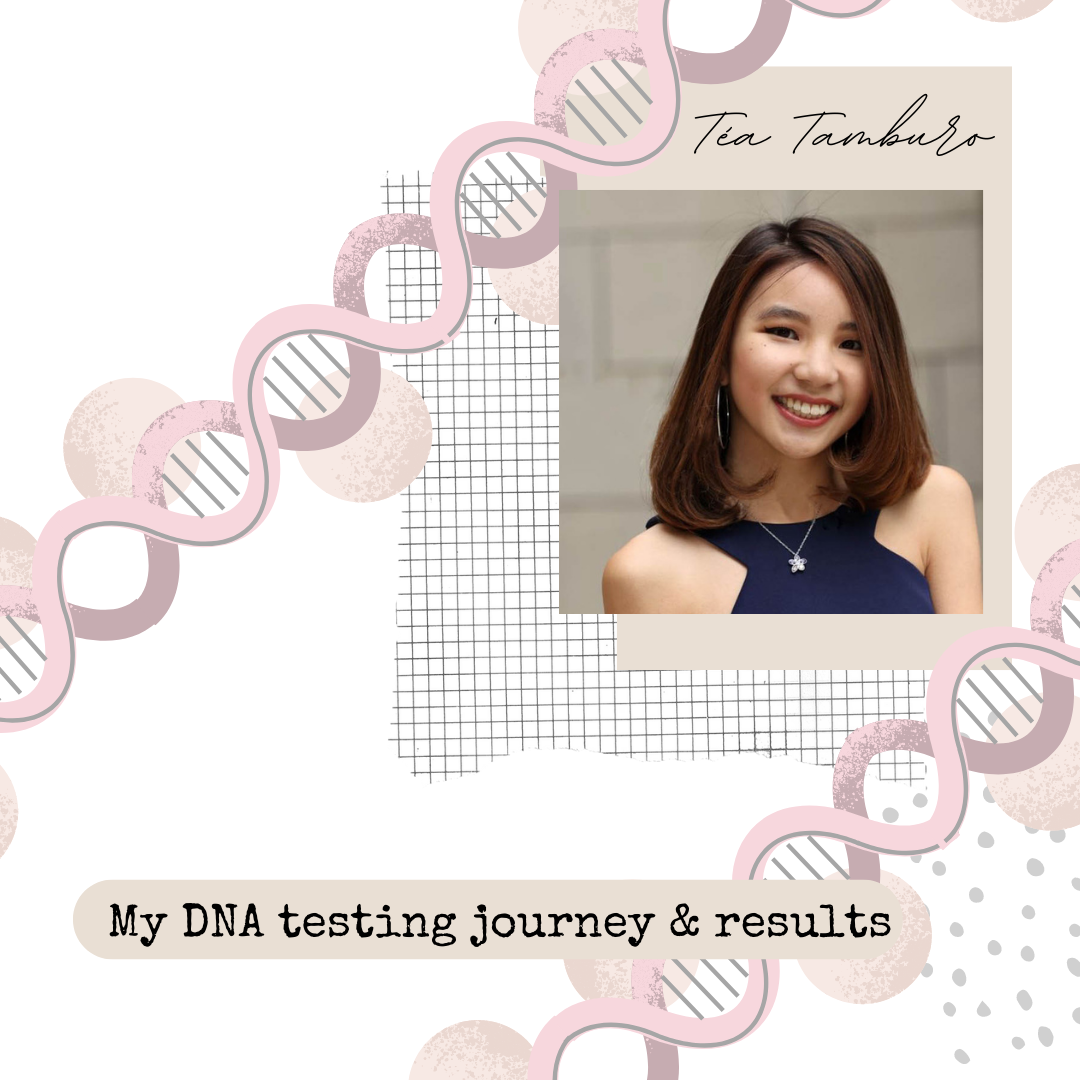
After years of anticipation, I took a DNA test! I did this test to better understand myself and my heritage; searching for family members came along with it. Because China’s one-child policy posed risks if my birth parents identified themselves at the time of my birth, I have no knowledge of who my biological relatives are.
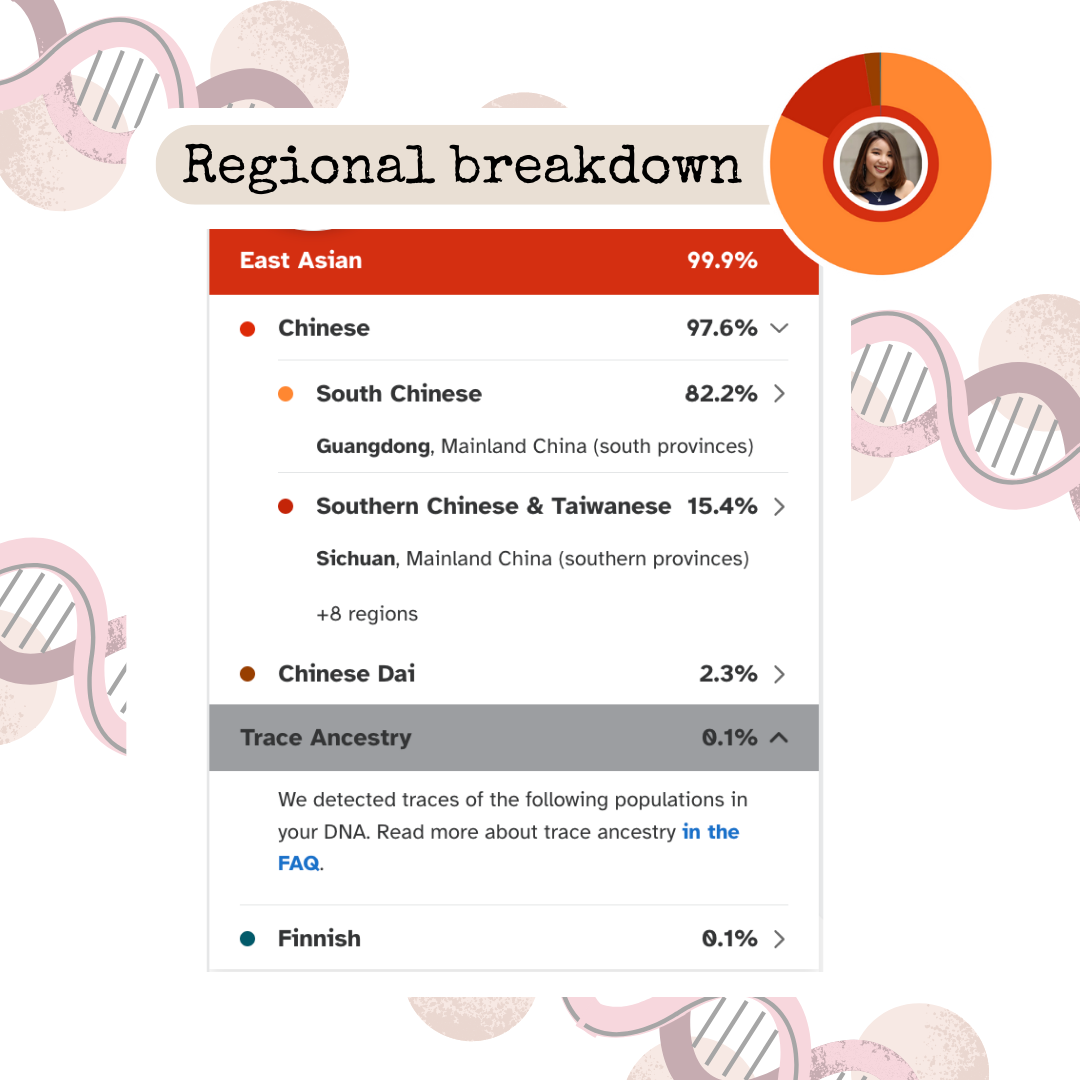
In the app a few weeks later, there were several tabs to choose from about what I wanted to view, such as DNA breakdown, family tree, wellness report and more. Going into this process, I didn’t really have any expectations or hopes for my DNA’s regional breakdown. To me, it’s more information about myself, but it doesn’t change who I already know myself to be.
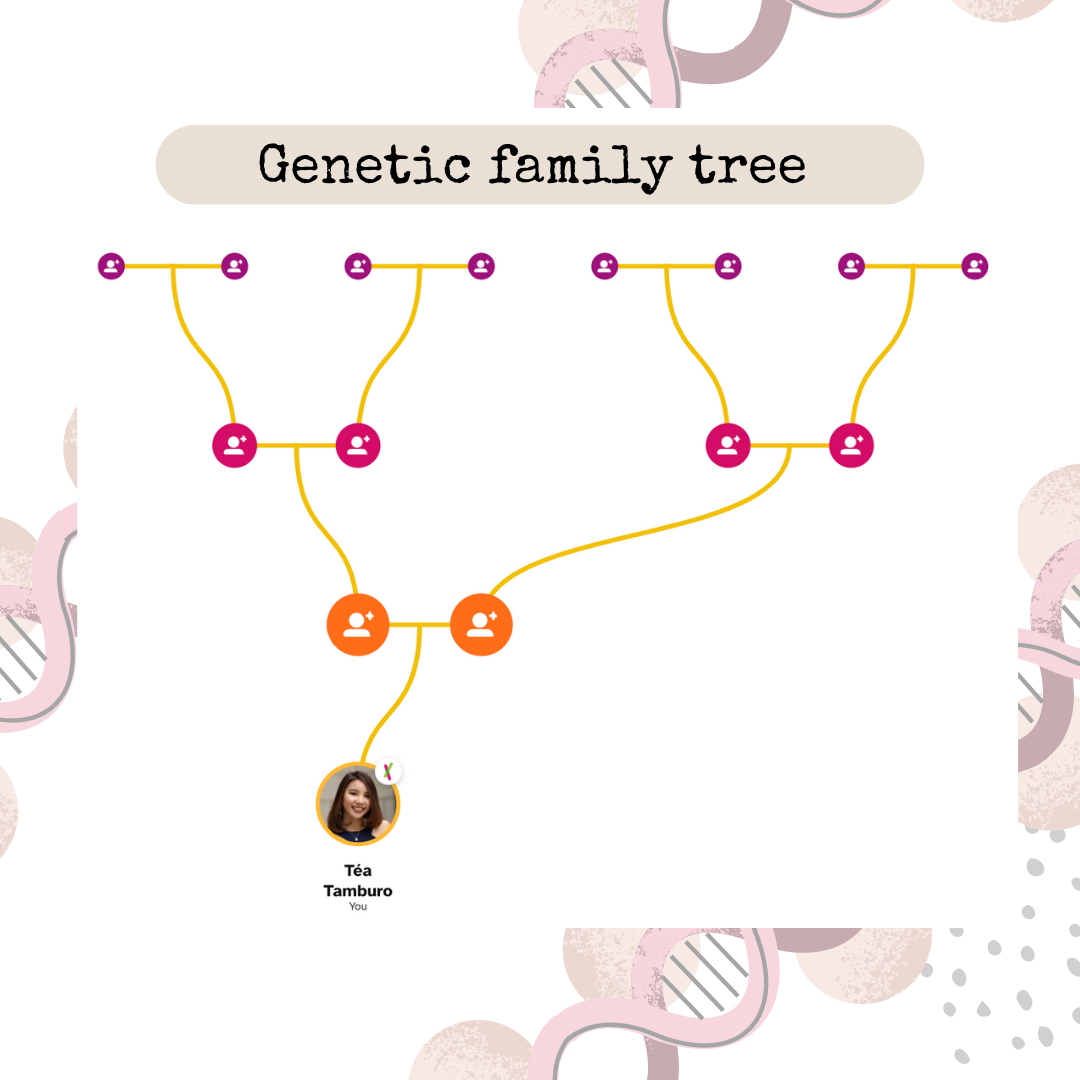
The genetic family tree I anticipated the most but was also the most nervous about. When opening the tab, I just saw a list of distant cousins but no direct relatives. This list is also reflected in a visual family tree, which just shows myself in it. Seeing only myself in this tree was a bit hard at first. However, this program was only showing my genetic relatives, not the family who raised me.
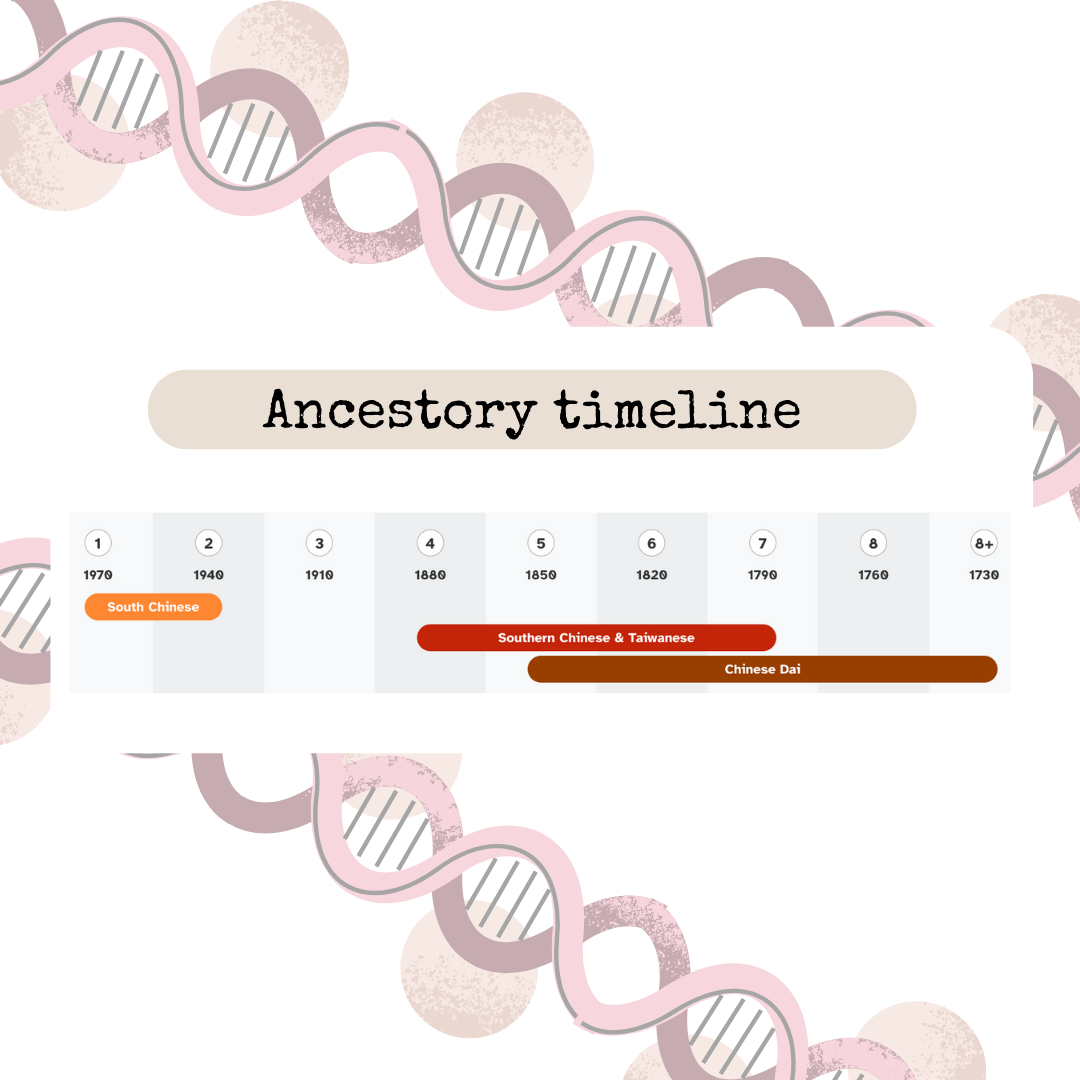
I also found a timeline of my ancestors’ migration. From my regional breakdown, I have South Chinese, Southern Chinese and Taiwanese and Chinese Dai in my ancestry. This breakdown is also noticeable in my ancestors’ migration by generation. The smallest percentages in my DNA are from older generations, and the majority are the most recent.
While this DNA test didn’t reveal any direct genetic relatives, it did tell me more about my Chinese identity and shows how my ancestors’ migration contributed to my Chinese identities. Although interesting, I think it’s important to remember that these DNA results only show my genetics — not the people that have become my family.